
Reputation System
Designing a high-density, privacy-centric reputation engine using ZK proofs to enable secure, trustless identity verification across decentralized ecosystems.

Translating On-Chain Metrics into a Universal Trust Architecture
The Problem
Web3 ecosystems generate vast amounts of on-chain activity, but the contributions that keep networks healthy—running validators, building infrastructure, deploying smart contracts, or educating communities—remain difficult to understand and measure. As a result, valuable contributors lack a clear way to demonstrate their impact and build a trusted reputation.
The Challenge
Joining when the product was still a rough prototype, the mission was to transform it into a functional ecosystem layer built around four pillars:
- Protocol Trust: Making reputation calculations fair and transparent.
- Ecosystem Growth: Driving active participation and organic wallet creation.
- Interactive Education: Onboarding users through dynamic, hands-on learning.
- Long-Term Utility: Engineering a framework to support future network governance.
The Strategy
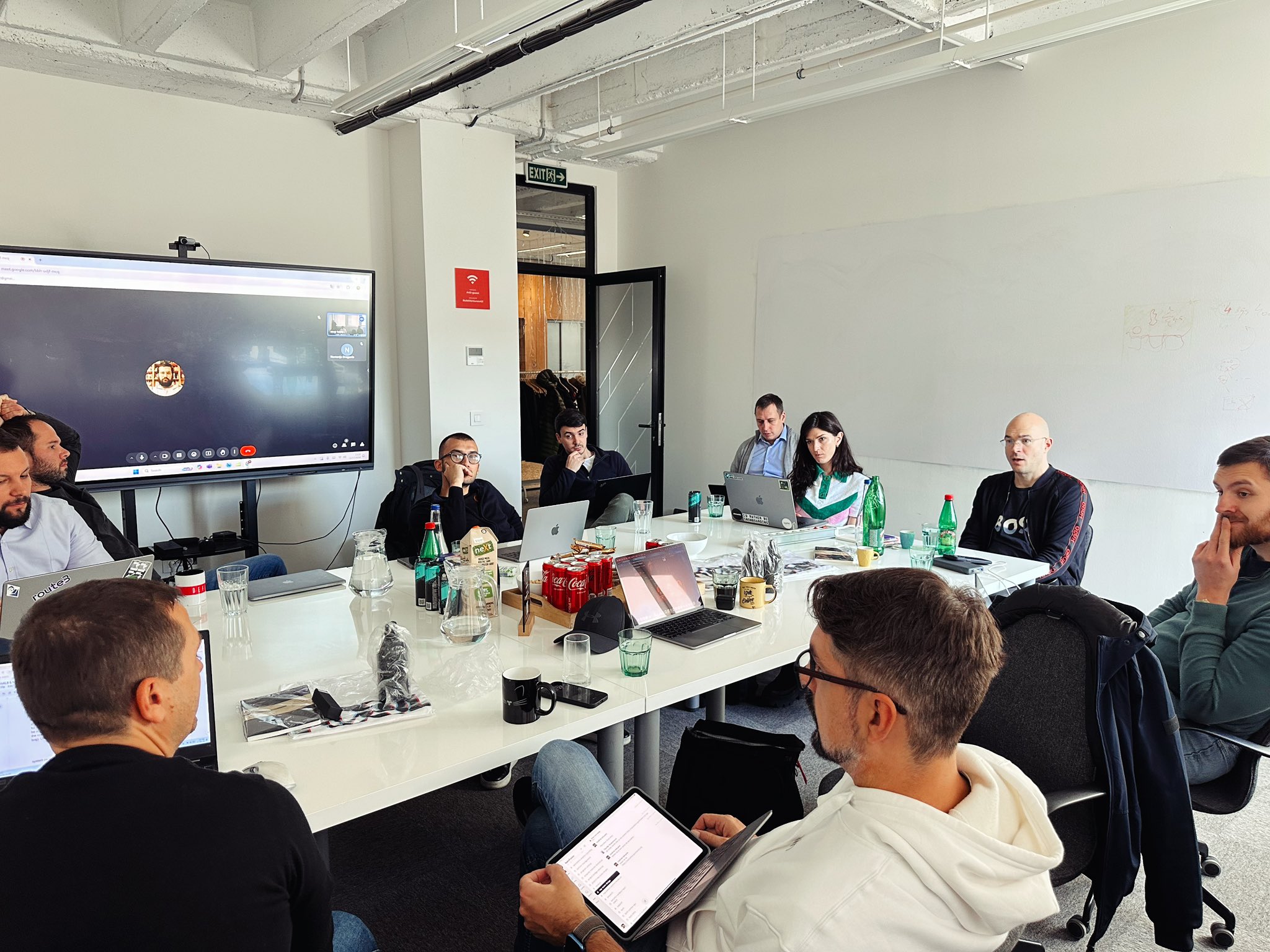
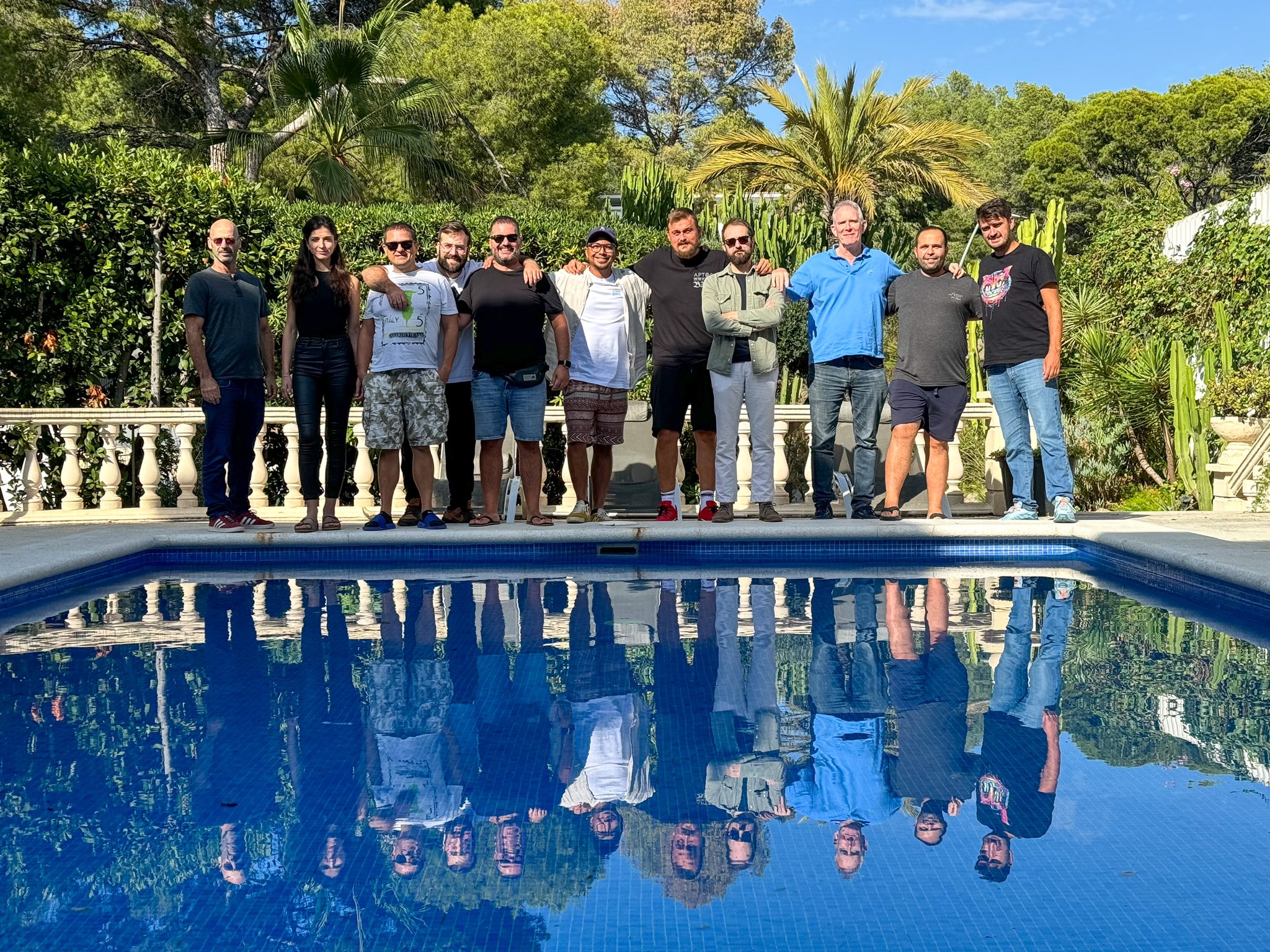
To align our distributed team, we facilitated a 10-day product discovery workshop in Spain. We challenged industry assumptions and identified a fundamental product pivot:
The Pivot: Traditional Web3 products rely heavily on documentation. Our key insight was that people learn blockchain by doing, not by reading. This realization shifted the entire strategy from a static scoring system to an active, quest-driven progression ecosystem.
Multi-Archetype Framework
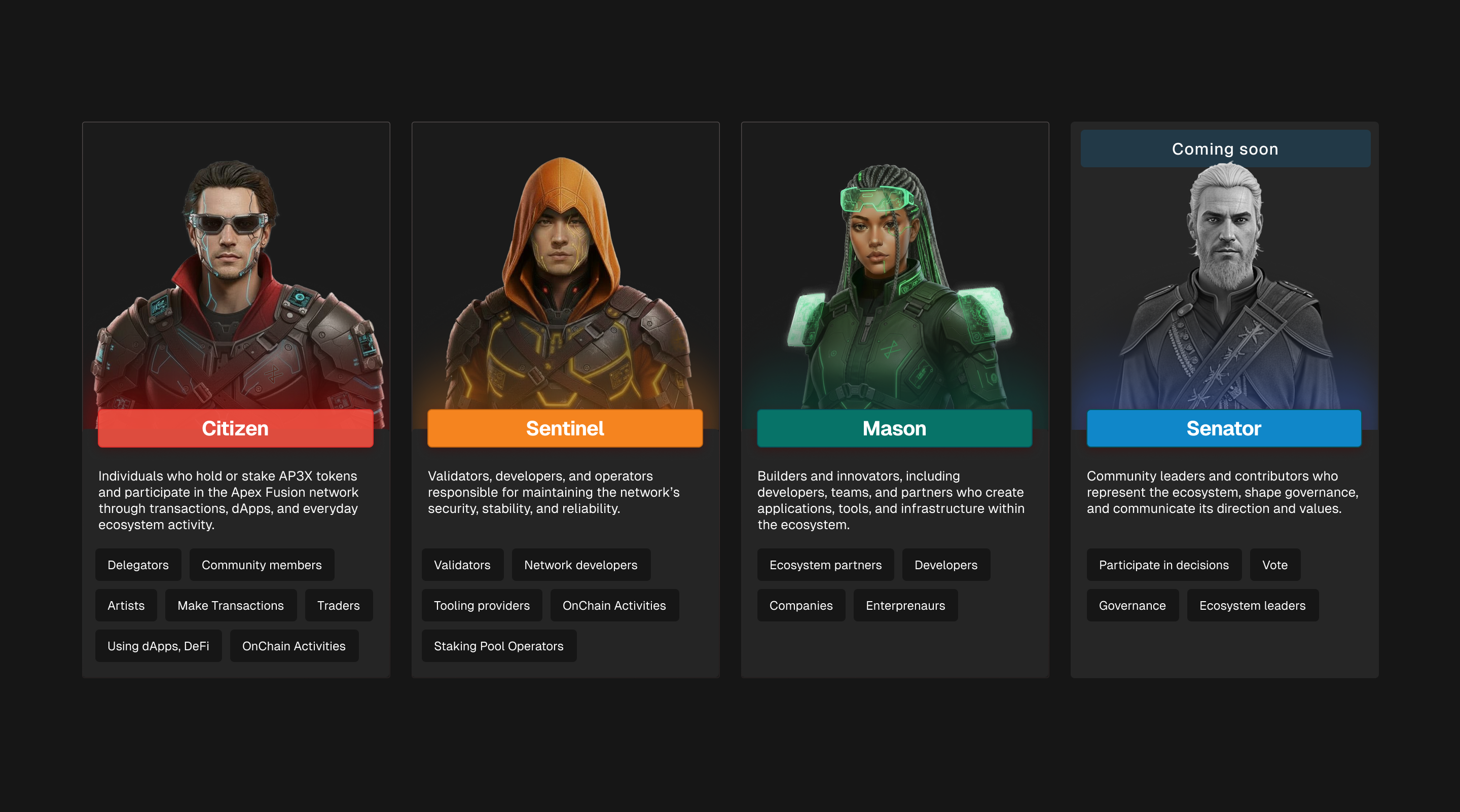
Our research revealed that a single reputation model would inevitably favor certain types of contribution while overlooking others. To create a more balanced system—and to recognize the different ways users create value—we defined four contributor archetypes:
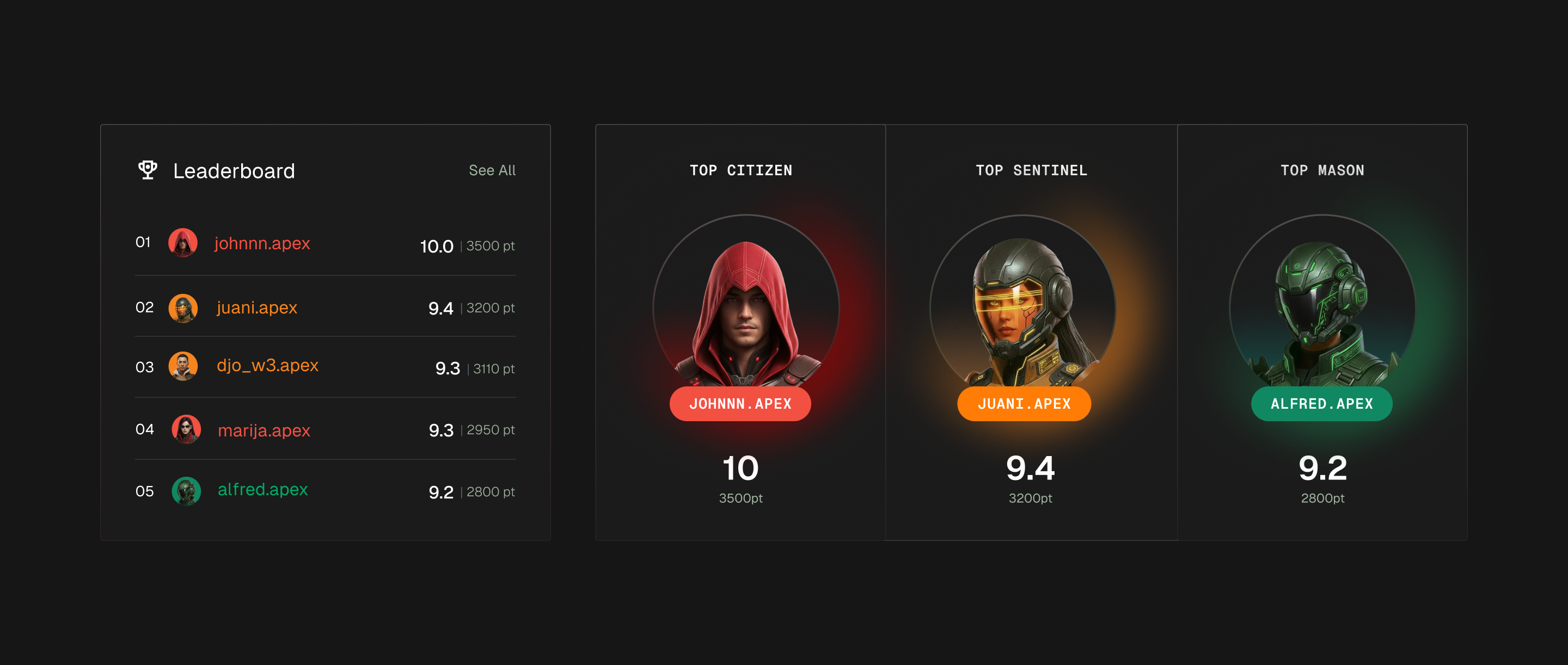
- Citizen (Community Members) — General users who contribute through transactions, ecosystem participation, social engagement, and educational activities.
- Sentinel (Infrastructure Builders) — Technical contributors responsible for maintaining network security and reliability, including validators, SPOs, network developers, and tooling providers.
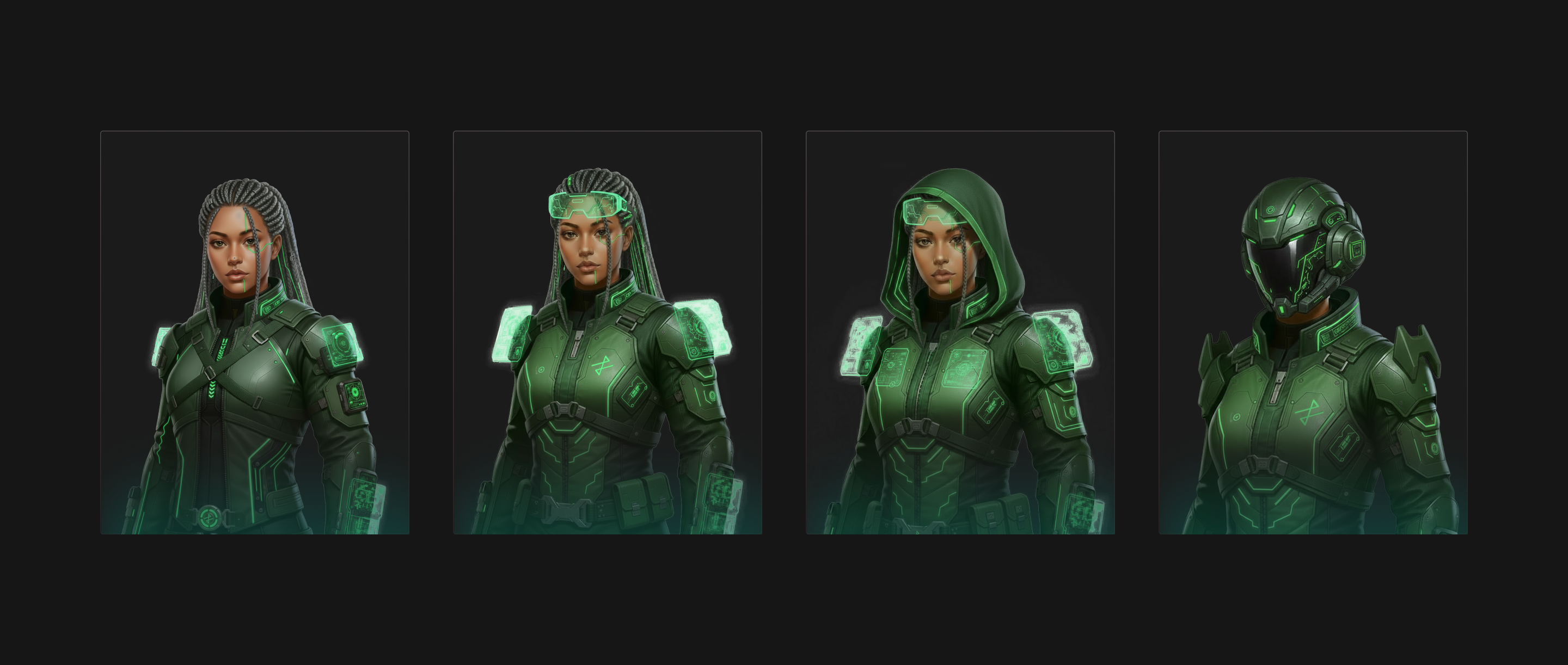
- Mason (Ecosystem Builders) — Developers, builders, and ecosystem partners creating applications, tools, integrations, and ecosystem infrastructure.
- Senator (Governance Leaders) — A future-facing path for community leaders helping shape the ecosystem through governance, participation, and decision-making.
Evolving from MVP to High-Retention System
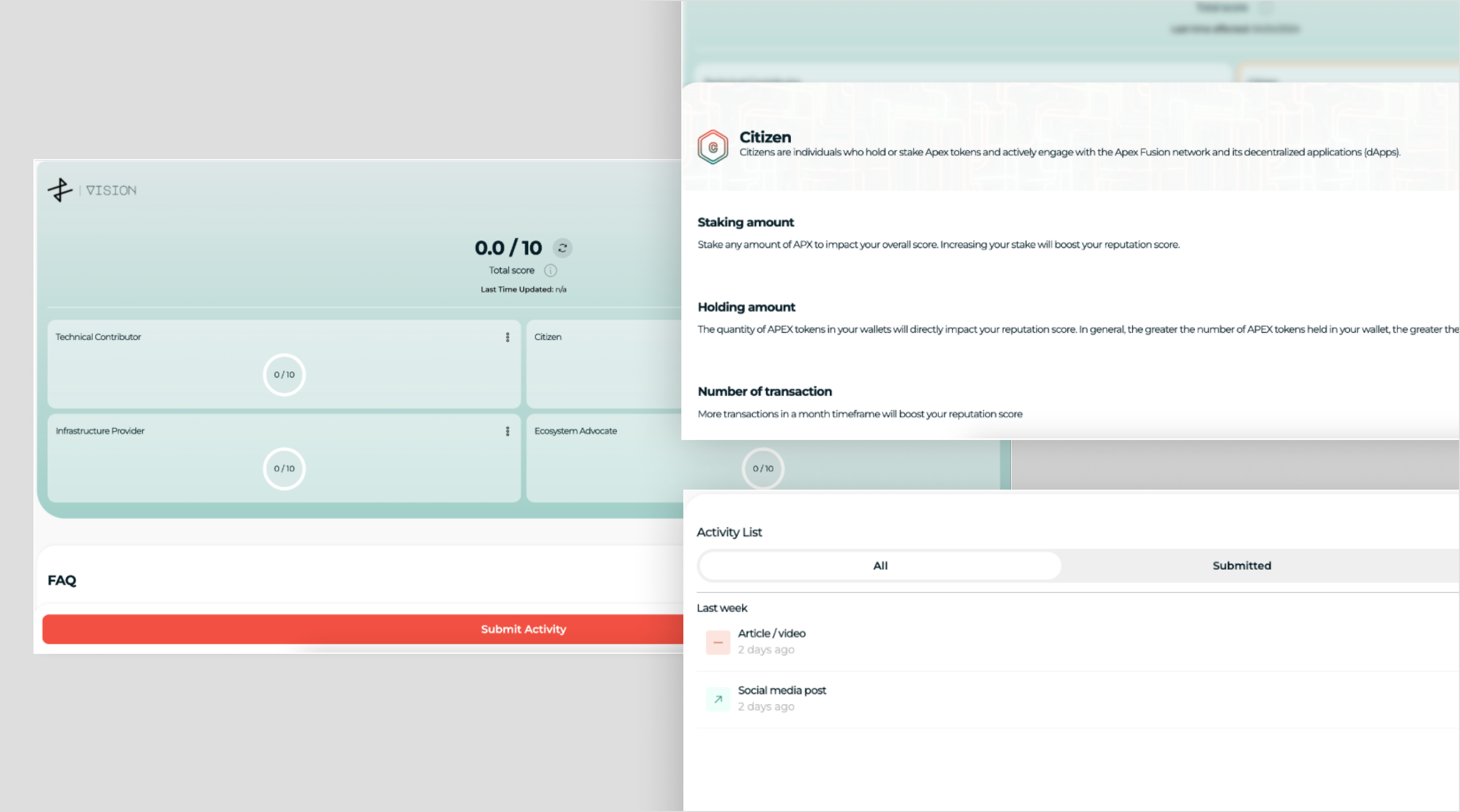
Based on early user feedback and usability findings, I evolved the primary interaction flows from a functional baseline to a gamified, clear, and high-retention quest hub.
v1 (Initial MVP): Focused primarily on core task submission and raw transaction functionality, which led to confusion regarding reward criteria and progress tracking.
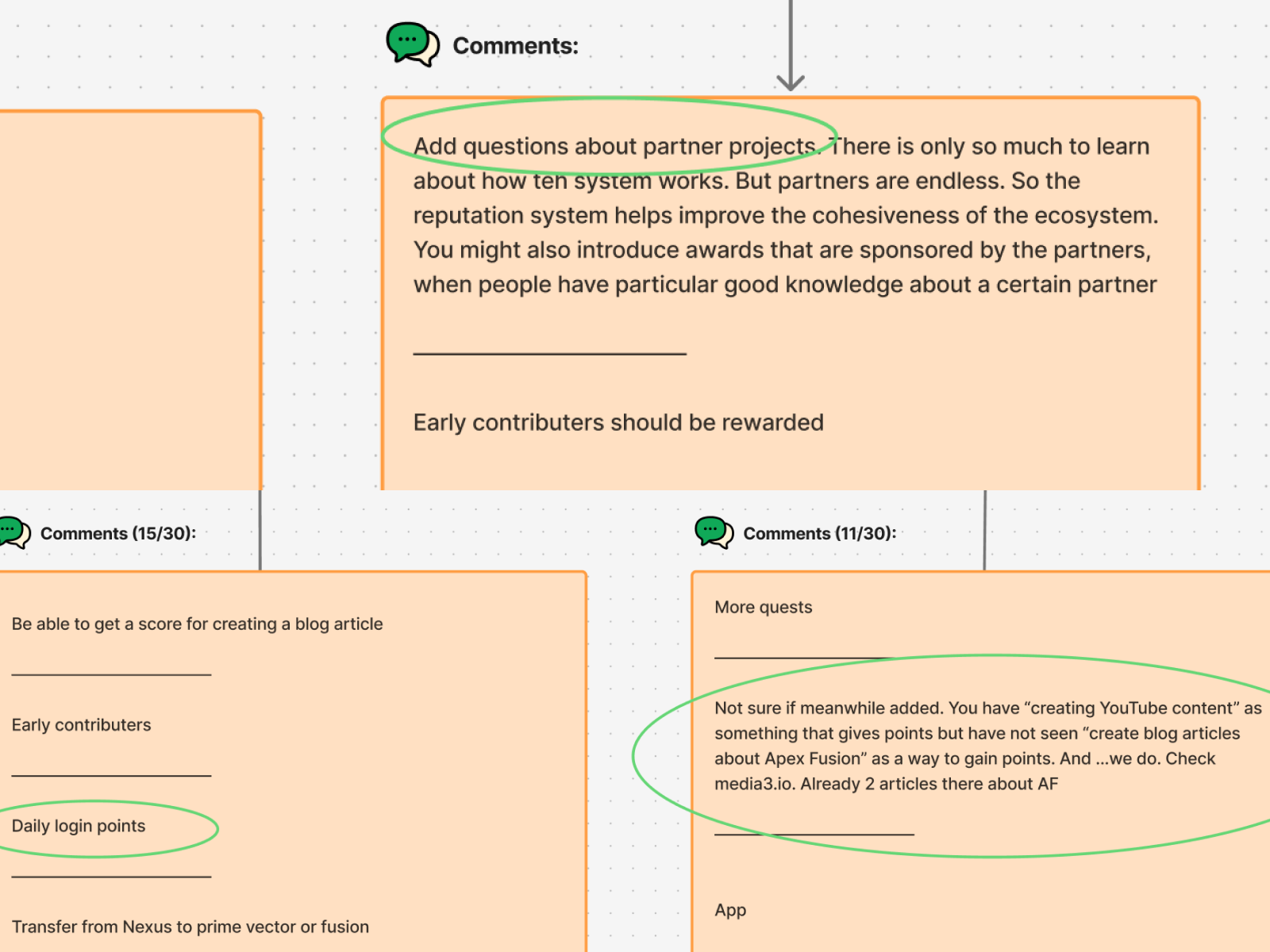
Research activities
A quest-driven progression system
Instead of rewarding passive token ownership, reputation is earned through verified action.
1. Turning action into verified merit
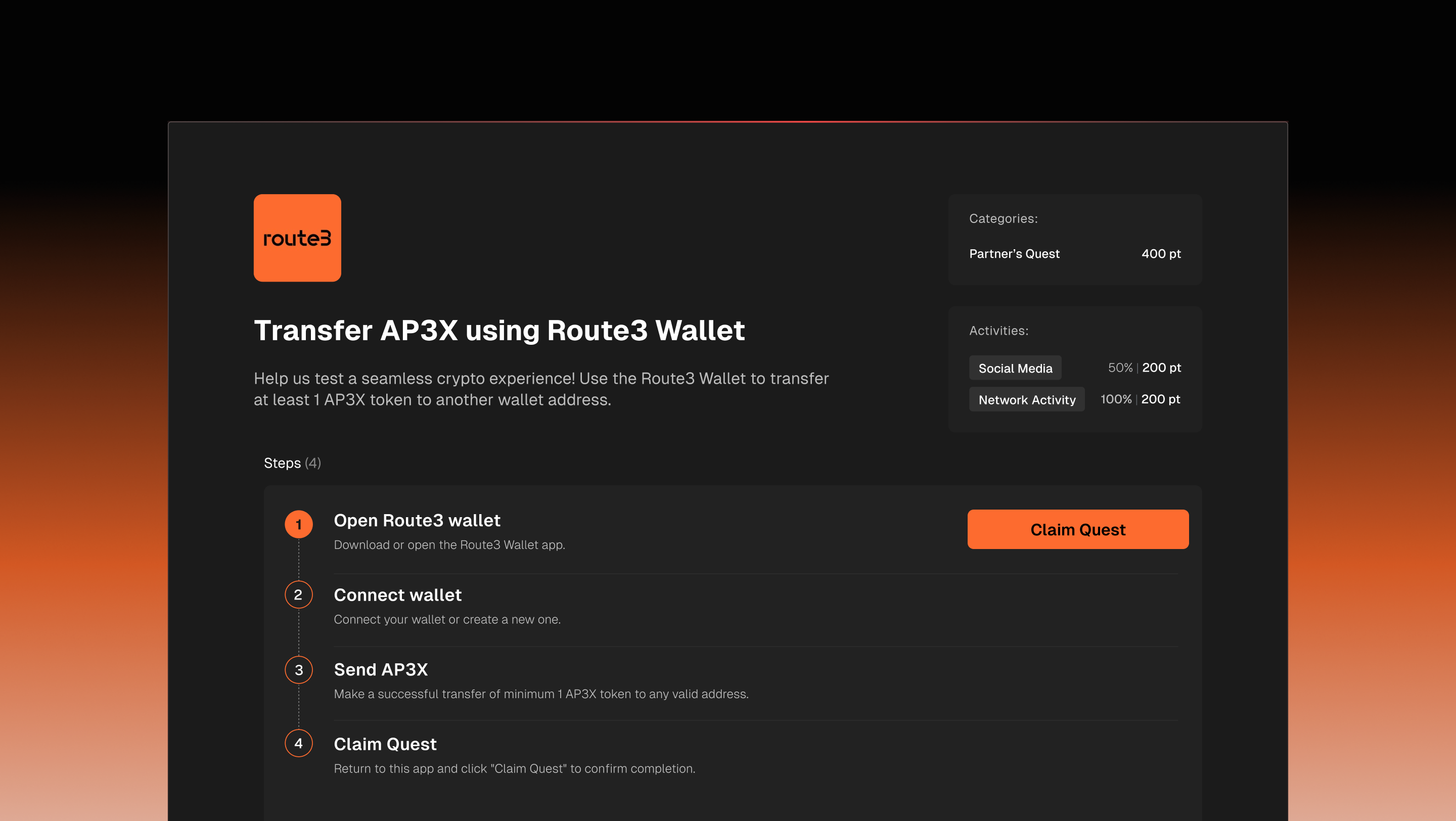
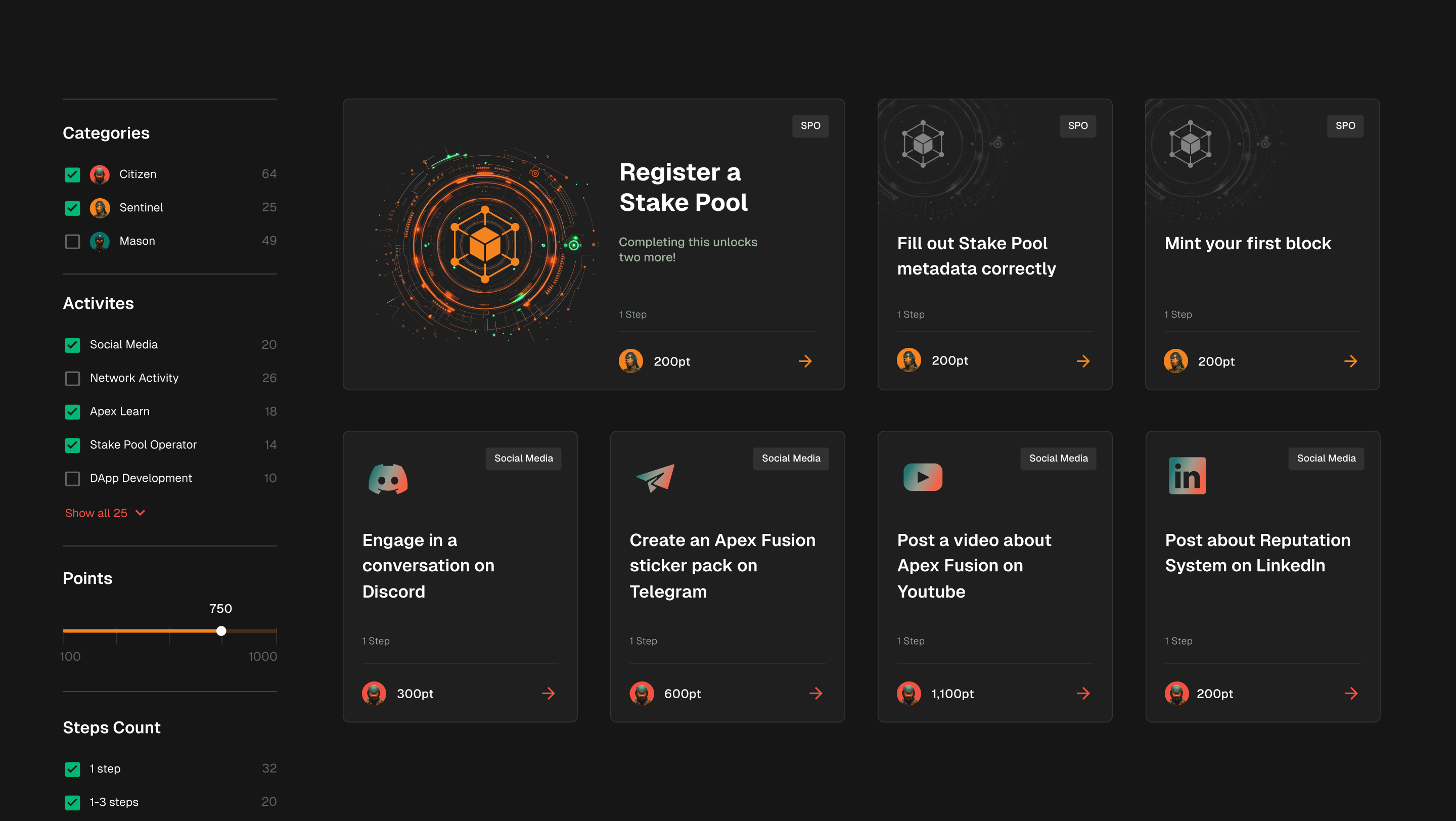
Every interaction — including on-chain actions, educational modules, quizzes, and partner cross-collaborations — was mapped to a modular, step-by-step quest structure.
2. Translating complex backend logic into intuitive UI
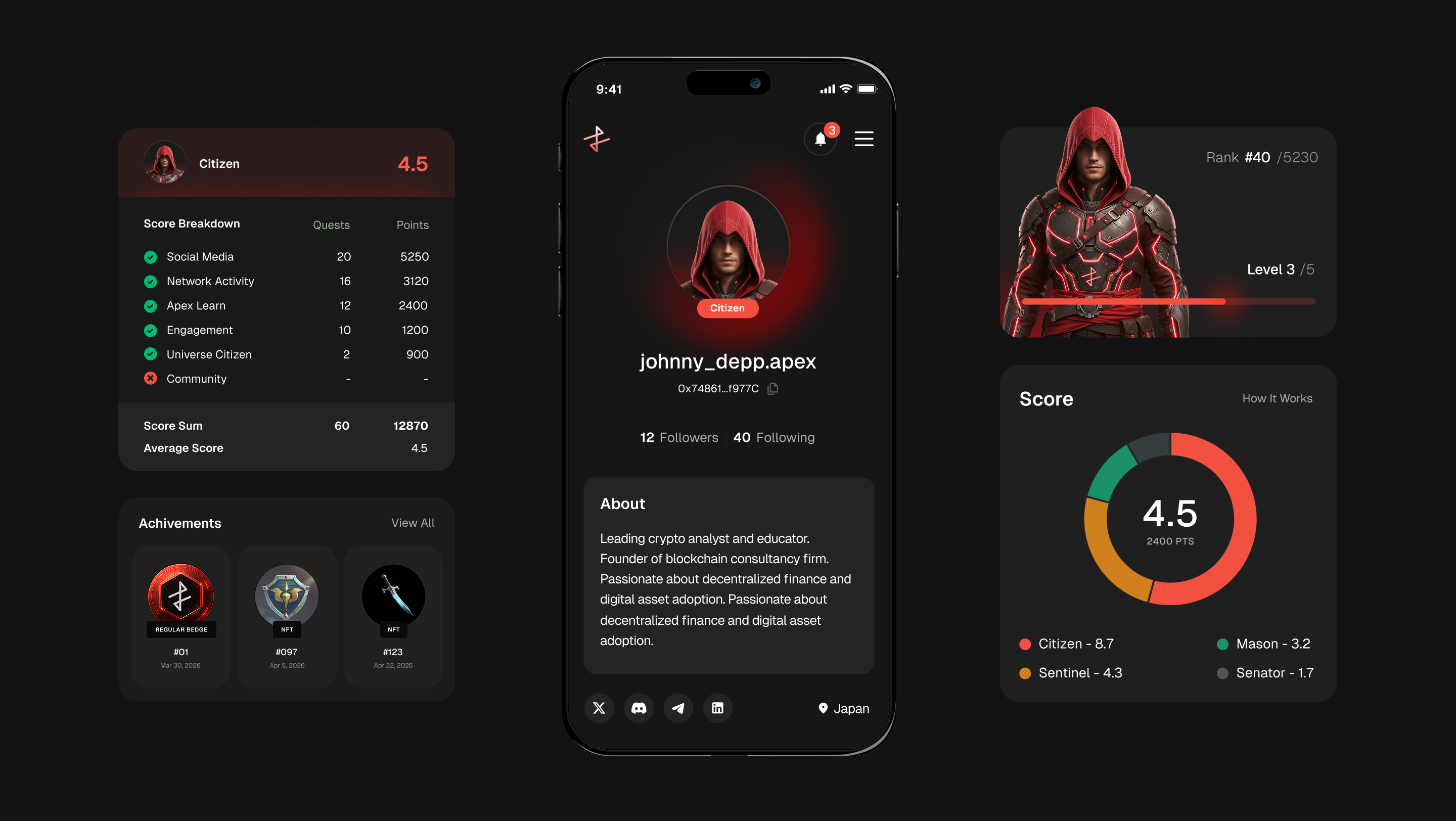
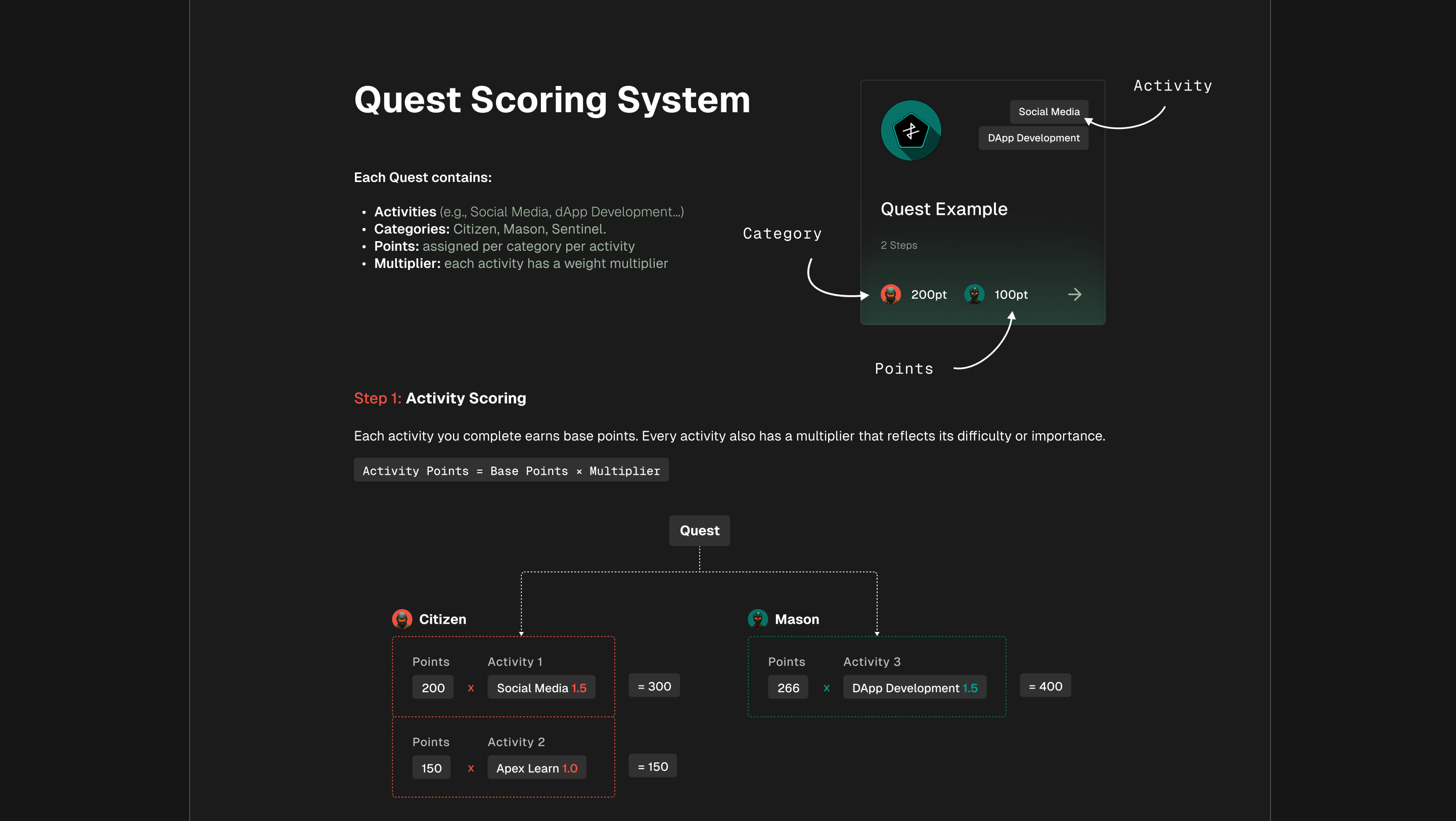
The engineering team built a backend scoring engine driven by non-linear progression curves and activity multipliers. My role was to design the UX architecture and data visualization that made this math digestible:
- Information architecture — Tracked independent category points without cluttering the profile UI.
- Data visualization — Masked complex backend weight variations with a clean, normalized score.
- Progression cues — Managed user expectations by visually showing that higher progression levels require higher-impact contributions.
3. Abstracting Web3 friction
To scale adoption among non-technical users, we abstracted typical blockchain pain points:
- Seamless onboarding via familiar Web2 methods like Google sign-in.
- Seamless transition from complex wallet addresses to human-readable usernames.
- Automated, friction-free wallet creation upon registration.
4. Gamification & visual identity
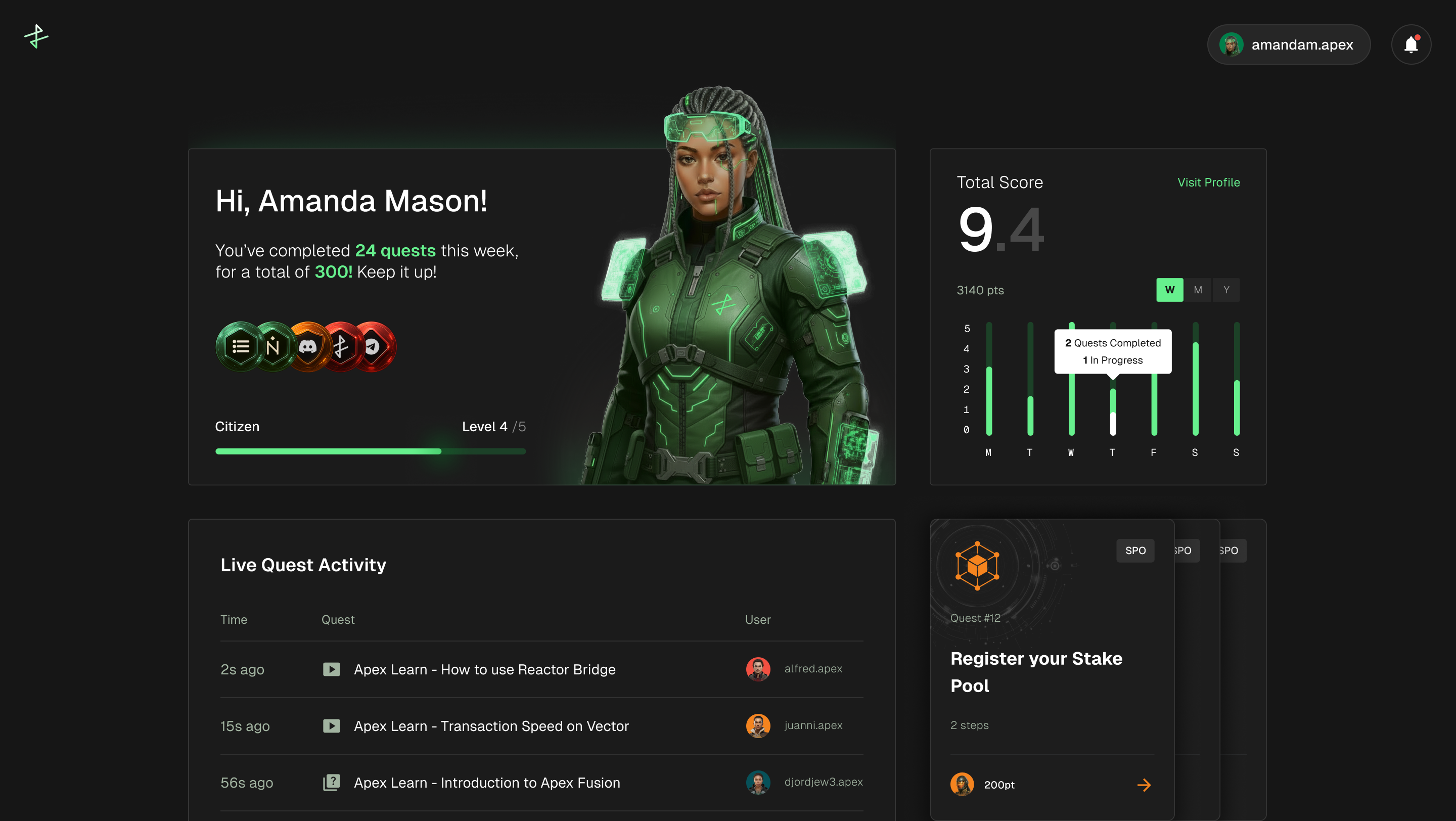
Each contributor path featured five progression levels tied to an evolving visual identity. As users gained verified reputation, their character profile evolved visually — transforming abstract data into immediate status and ownership. This was coupled with cross-archetype leaderboards and automated AP3X token incentives to drive transparency and community competition.
Daily engagement & streak loops
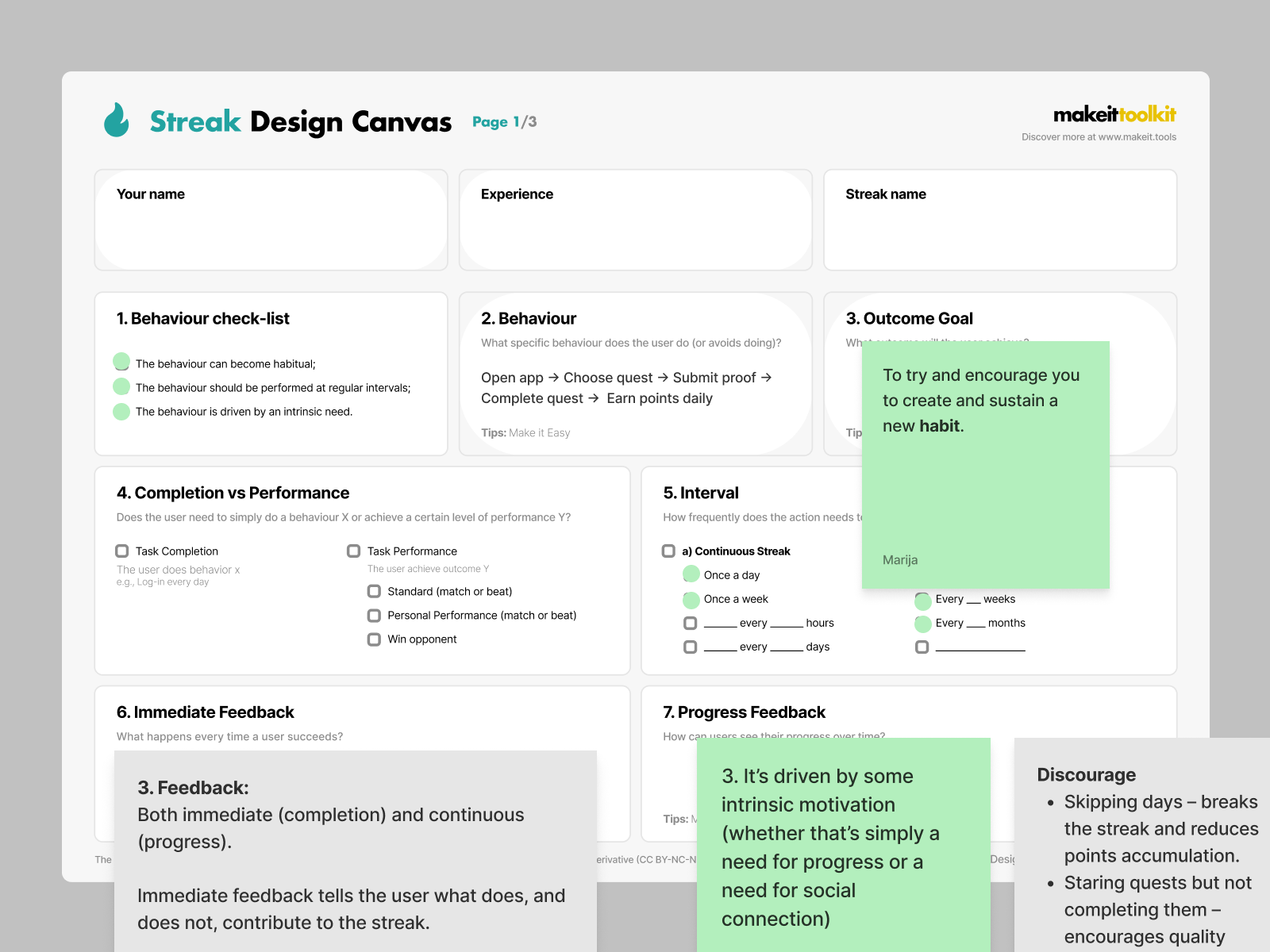
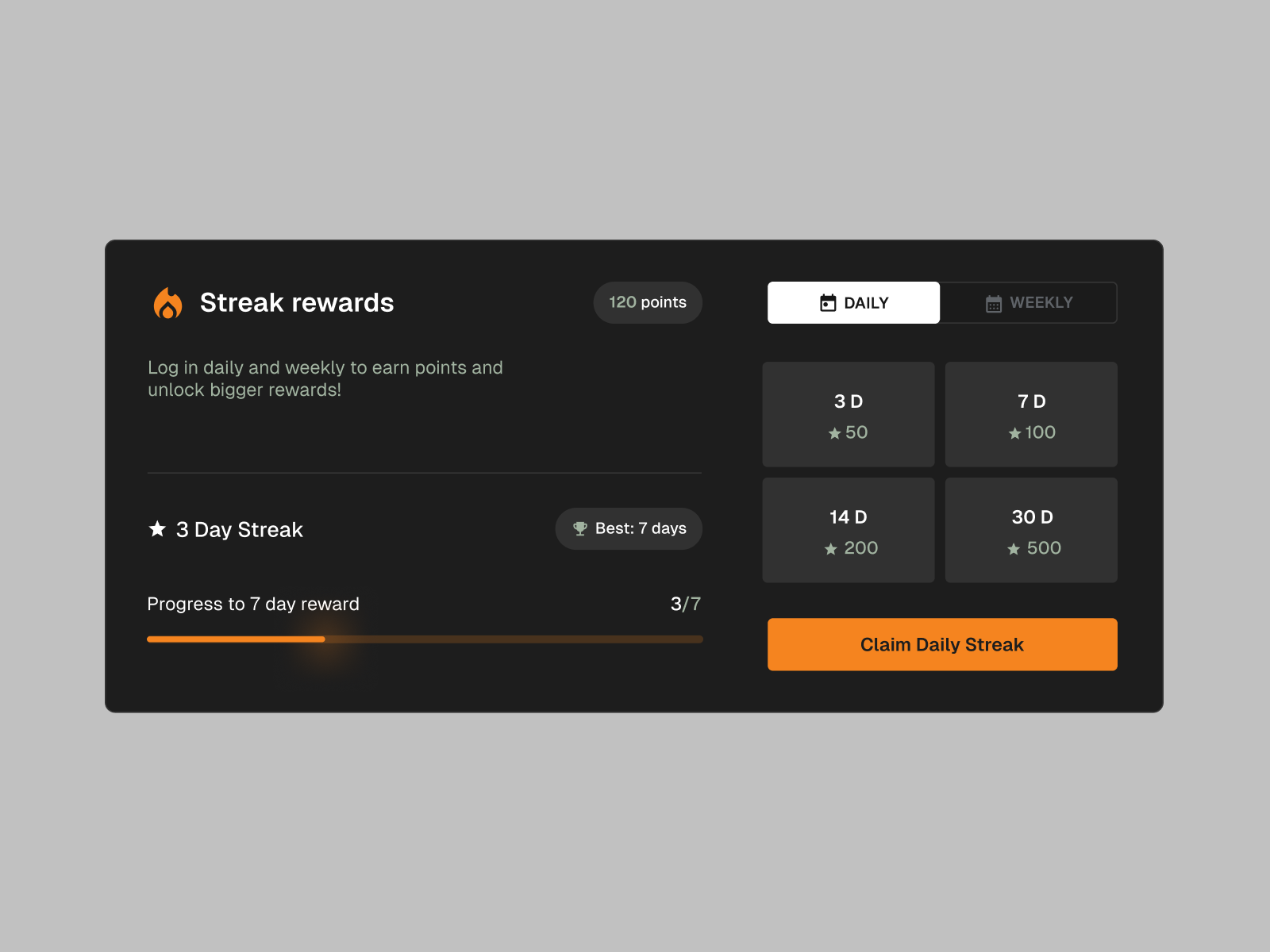
To drive habit formation and daily active usage alongside long-term progression, I structured a streak mechanism based on behavioral loops (identify → measure → motivate). Using a streak framework, I defined key daily triggers, progressive milestones (3d, 7d, 30d rewards), and clear visual feedback loops to keep engagement predictable and measurable.
Data-driven discovery & action items
Key insights:
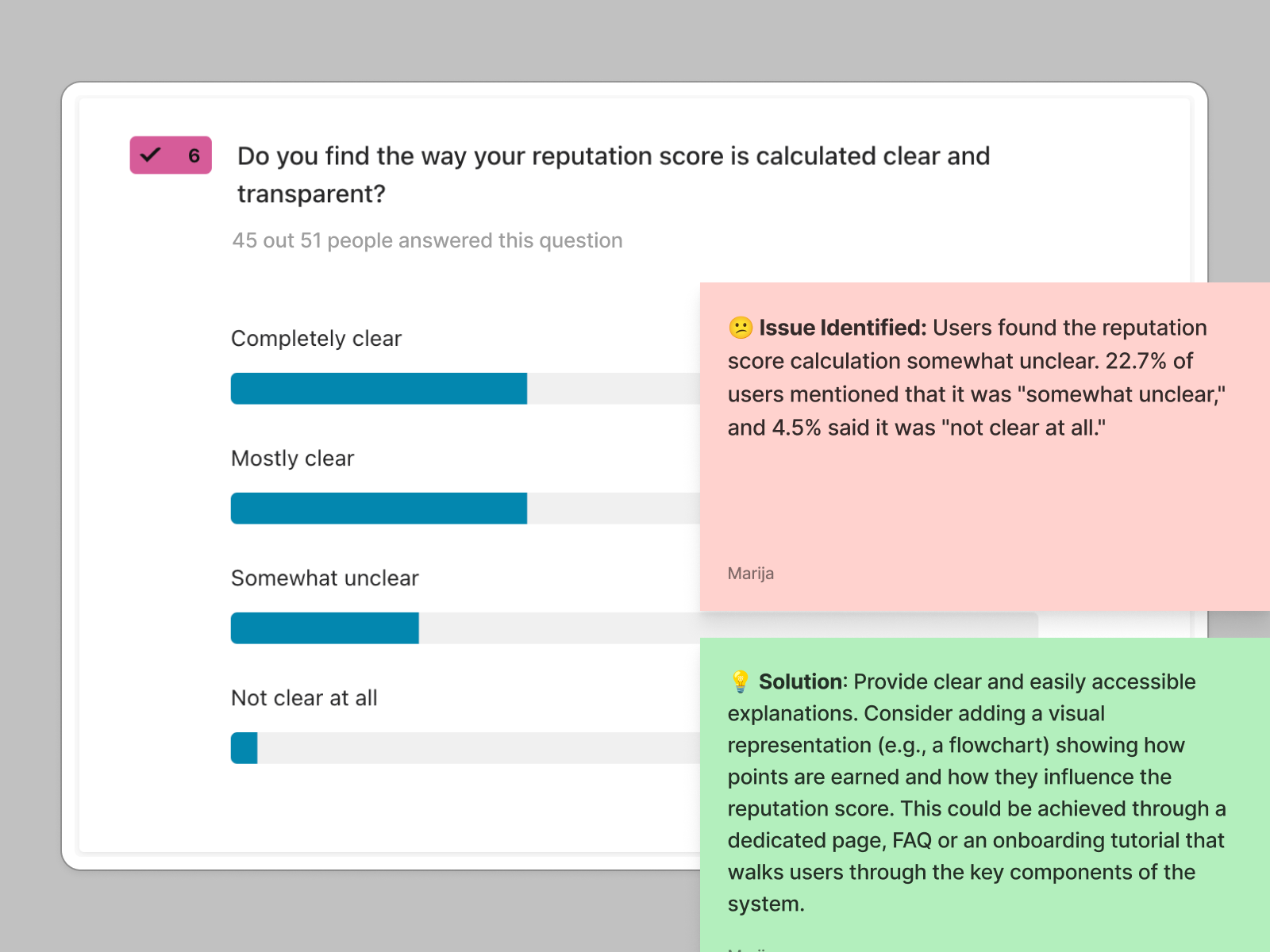
- Scoring friction — 27.2% of users struggled to understand reputation score calculations.
- Status friction — User drop-offs and confusion occurred due to unclear task verification states.
UX action items:
- Scoring transparency page — Designed a dedicated breakdown page explaining the reputation score formula to eliminate user confusion.
- Automated quest validation — Re-architected task verification into an automated, real-time status pipeline (Pending, Verified, Claimed).
- Multi-category quest system — Redesigned quests into distinct categories (Social, On-Chain, Stake Pool) with smart filtering for complex task flows.
Engineering handoff & design system
A major part of the role involved scaling the Apex Fusion design system to support this complex engine. I worked directly with engineering and leadership to ensure that quest validation states — over 90% of which were fully automated — seamlessly triggered visual profile updates and leaderboard refreshes without creating UI latency.
From concept to a central engagement layer.
The system launched successfully on testnet before scaling to Nexus Mainnet, growing into the primary engagement layer for the ecosystem.
Engagement & behavior shifts
- +177% increase in overall user engagement
- 3× jump in average session duration (from 2m 27s to 6m 46s)
- 250,000+ faucet requests driven through guided exploration
- 1,500+ community-generated posts organically created via quest parameters
Ecosystem adoption
- ~5,000 registered users
- 75+ live quests deployed
- 35,000+ ecosystem actions completed
- 90%+ of quest verification processes fully automated
Professional reflection
This project proved that in fintech and decentralized networks, a reputation system cannot simply be a static score. By treating trust as infrastructure and tying it directly to structured user progression, we successfully converted passive token holders into active, verified network contributors.
The platform is structurally prepared for future expansions, including governance integration, competitive leagues, and real-world contribution tracing.
Product Hindsight: What I'd Scale Today
Looking back, my core vision was to build a legitimate "Crypto CV" and identity system, rather than just a gamified hub. If I were to iterate on this product today, I would focus on four strategic upgrades:
- Mobile-first architecture: Transitioning from a web-first to a mobile-first experience. A true "Crypto CV" and daily engagement loops are inherently better suited for on-the-go access and real-time push notifications.
- Scaling real-world utility: While we introduced Partner Quests in the latest iteration, I would heavily scale this to include real-life activities (e.g., event check-ins, professional milestones) to bridge on-chain data with real-world reputation.
- Asset interoperability & handoff: Allowing users to truly own their earned reputation by enabling them to export, utilize, or even trade their achievement NFTs across secondary marketplaces and other Web3 platforms.
- Real-time verification engines: Upgrading the quest infrastructure to support instant, real-time feedback loops as activities occur, creating a much more responsive user experience.